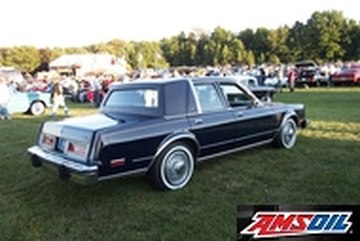
Lubrication Maintenance for the 1981 Chrysler LEBARON 5.2L
Maintaining the engine lubrication system in a vehicle like the 1981 Chrysler LEBARON with its 5.2L engine requires consistent attention to fluid condition and component integrity. Proper lubrication is fundamental to managing the internal friction and thermal loads generated during operation. For owners of this era of Chrysler vehicles, staying proactive with routine inspections can help identify potential issues before they escalate into more significant mechanical concerns.
Monitoring Fluid Condition and Potential Leaks
One of the most effective ways to monitor the health of the lubrication system is through regular visual inspections. When checking the engine, look for any signs of fluid seepage or active leaks around various sealing surfaces. Even small amounts of oil appearing on the exterior of the engine block or near gaskets can be an early indicator that a seal may be losing its effectiveness due to age or heat cycles.
If you notice fresh oil accumulating in specific areas, it warrants closer investigation. Additionally, checking the appearance of the oil itself during routine service is vital. While oil naturally darkens over time as it undergoes thermal stress and collects microscopic debris, an extremely rapid change in color or a gritty texture can indicate that the lubricant is no longer performing its intended role. If you observe any unusual odors or changes in how the engine sounds during startup or idling, these symptoms should be investigated by a professional to rule out underlying issues.
Managing Aging Components and Seals
As vehicles age, the materials used in various gaskets and seals can become less resilient. For a 1981 model, it is practical to adopt a condition-based approach to maintenance rather than relying solely on the age of the vehicle. This means inspecting components based on their actual state of wear and the environment in which the car has been operated.
When performing routine service, consider the following inspection points:
- Gaskets and Seals: Inspect accessible areas for signs of seepage or weeping.
- Hoses and Connections: If present, check that hoses are not excessively soft, brittle, or showing signs of cracking.
- Electrical Integrity: Ensure that wiring and electrical connectors near the engine remain secure and free from significant corrosion or fraying.
- Drive Components: If equipped, inspect accessible drive belts for evidence of glazing, cracking, or fraying.
By focusing on these areas, you can establish a clearer picture of the vehicle's current mechanical state. This helps in distinguishing between routine maintenance needs and more urgent repairs that may be required to maintain reliable operation.
Establishing a Maintenance Baseline
For many owners of older vehicles, the service history may not always be complete or clearly documented. In such cases, the first step toward effective long-term ownership is establishing a maintenance baseline. This involves performing a thorough inspection of all fluids and major engine components to determine their current condition.
Once you have a clear understanding of the vehicle's starting point, you can begin keeping detailed records of every service performed. Documenting when oil was changed, which products were used, and any observations made during inspections allows you to track trends over time. For example, if you notice that the engine is consuming slightly more oil than it did six months ago, having a written history helps you identify this change as a specific trend rather than an isolated event. This data-driven approach makes it much easier to prioritize future maintenance tasks and make informed decisions about repairs.
Prioritizing Service Tasks
Effective maintenance is not just about doing everything at once; it is about knowing what to address first. When managing a vehicle like the 1981 Chrysler LEBARON, priorities should be dictated by the current condition of the engine and its supporting systems. If an active leak or a significant change in fluid color is detected, that should take precedence over general preventive tasks.
A logical hierarchy for maintenance might include:
- Immediate Concerns: Addressing any active leaks, unusual noises, or warning indicators that suggest the engine is not operating within normal parameters.
- Fluid Integrity: Ensuring that the oil and other essential fluids are clean and meet the necessary specifications.
- Preventive Inspection: Checking belts, hoses, and electrical connections to prevent future failures.
By addressing active issues first and then moving into preventive care, you ensure that your maintenance efforts are providing the highest possible value to the longevity of the engine.
Understanding Lubricant Functions
The oil in a 5.2L engine performs several roles that are critical to its operation. Beyond simply reducing friction between moving parts, the lubricant acts as a medium for heat management, helping to carry thermal energy away from high-temperature zones within the engine. It also plays a role in cleaning the internal environment by suspending microscopic particles and carrying them toward the filter.
Maintaining the quality of this lubricant is essential because degraded oil can lose its ability to manage these various stresses. Over time, heat and combustion processes can lead to the formation of deposits or sludge if the oil is not changed according to a consistent schedule. Using high-quality lubricants that meet modern standards for deposit control and thermal stability helps ensure that the engine remains clean and well-protected throughout its service life.
Practical Advice for BUYING ENGINE OIL for your 1981 Chrysler LEBARON 5.2L
When you are ready to replenish the lubrication in your vehicle, it is essential to select a product that aligns with the specific requirements of your engine. Because different engines have unique needs regarding additive packages and base oils, you should never rely on general assumptions based on the age or size of the vehicle.
To ensure you are choosing the correct lubricant, follow these steps:
- Match Application Information: Refer to the specific oil viscosity and application details provided in the technical information section of this webpage. This is your primary guide for selecting the correct grade.
- Verify Product Labels: Before completing a purchase, check the product container to ensure the SAE viscosity and API service classifications match what is required for your 5.2L engine.
- Consider Formulation Types: Depending on your specific needs and the condition of your engine, you may choose between conventional oil, synthetic blends, or full synthetic options. Some high-mileage formulations are also available, which contain additives intended for use in aging engines.
By strictly adhering to the application-specific information displayed on this page, you can be confident that the lubricant you purchase is appropriate for your 1981 Chrysler LEBARON.